


California is well-known for its excessive gasoline costs and strict environmental rules, however a string of upcoming oil refinery shutdowns—exacerbated by an enormous fireplace at an enormous Chevron plant—threatens to spike the state’s sky-high costs additional and power the state to import rather more oil from Asia.
The upcoming closures by refining giants Phillips 66 and Valero Energy have triggered an about-face from Democratic Gov. Gavin Newsom and state regulators to attempt to preserve the gasoline complexes open after years of guidelines that reduce into their backside strains. It’s too late to avoid wasting Phillips 66’s Los Angeles refinery, however there’s at the least an inkling of hope to chop a deal to salvage Valero’s Benicia refinery simply north of San Francisco. Shedding each cuts off almost 20% of the state’s refining capability and makes California inclined to potential shortages if there are disruptions to overseas, waterborne provides.
“The state has continued to overestimate its skill to wean itself off liquid fuels, and I believe they’re beginning to notice it could be too little, too late,” stated Patrick De Haan, head of petroleum evaluation at GasBuddy, instructed Fortune. “Costs will rise, and the pricing volatilities are going to be extra excessive.”
The politically blue state of almost 40 million individuals faces the upcoming closure of Phillips 66’s Los Angeles refinery, which is processing its last shipments of crude oil in October earlier than closing by the top of this yr. Up subsequent, the Benicia advanced is slated to shutter by the top of April.
Whereas California is a frontrunner in renewable energy and electrical car adoption, it nonetheless depends on numerous gasoline, diesel and jet gasoline. California consumes nearly 900,000 gallons of gasoline a day, down from a 2017 peak of almost 1 million gallons every day. Refiners don’t wish to spend money on California due to costly regulatory burdens in a declining market, however the refineries are closing extra quickly than demand is falling, placing the pinch on the state and its motorists.
“California thinks it’s going to have the ability to put the top date on gasoline and fossil fuels, however that’s simply unimaginable,” De Haan stated. “Basically what they did was sign to the trade that they’re not open for enterprise on the subject of refining.”
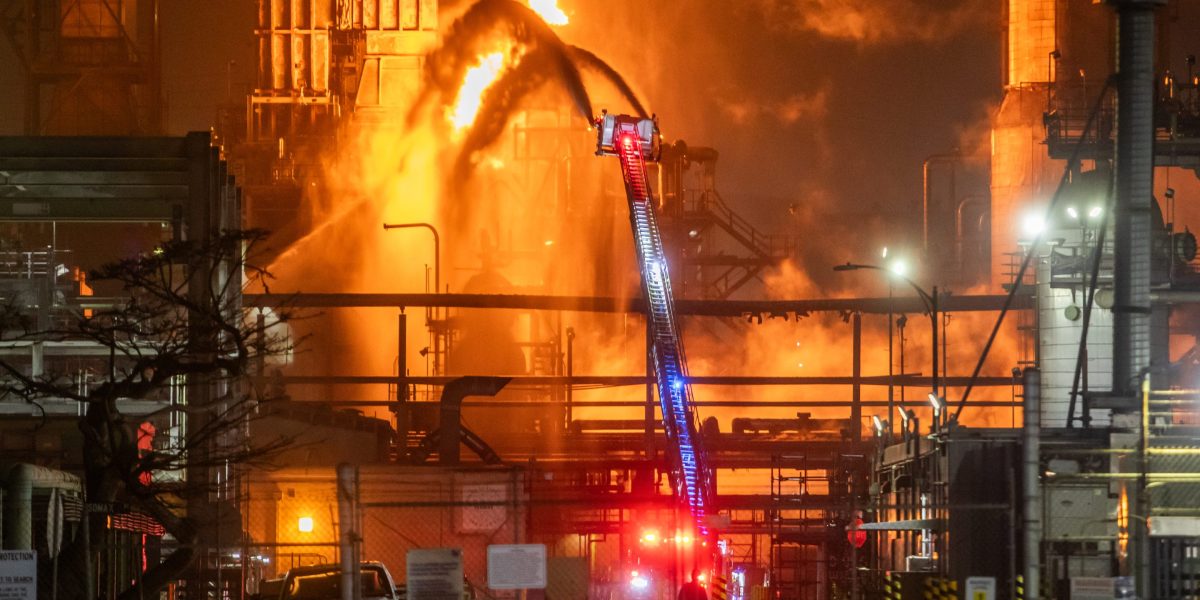
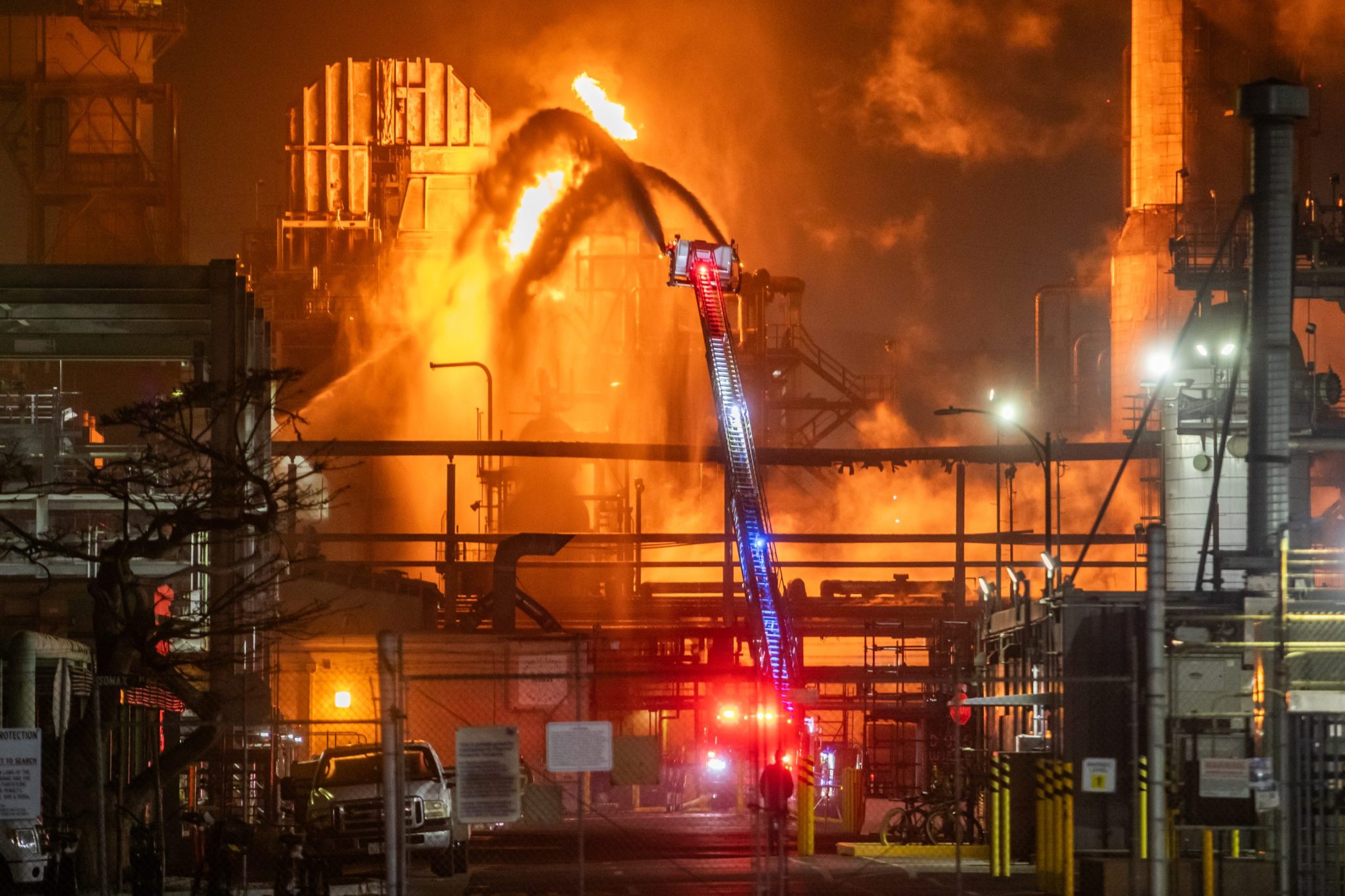
And it didn’t assist when Chevron’s enormous El Segundo refinery outdoors of Los Angeles suffered an explosion on Oct. 2. The hearth was put out a day later, primarily harming a big, jet fuel-producing unit. Chevron, which is rooted in Customary Oil of California, moved its long-tenured headquarters from California to Houston final yr.
“Now we have been in a position to meet our buyer commitments all through the incident and anticipate persevering with to take action as we transfer towards a fuller restoration,” stated Chevron spokesman Ross Allen in a press release. “The refinery continues to function and create transportation fuels, though at diminished charges.”
Jim Mitchell, Wooden Mackenzie director of oil buying and selling analytics, stated the coincidental timing of the closure and fireplace couldn’t have been worse even when they had been deliberate.
“There’s going to be a value spike. Is it going be $8 a gallon? I don’t see it getting that unhealthy,” Mitchell stated.
Jet gasoline costs have already got jumped about 13%—a rise of 30 cents per gallon—because the fireplace, based on the California Power Fee, whereas bigger gasoline value hikes are anticipated subsequent yr, particularly when and if Benicia closes.
California gasoline already is the most costly within the nation at $4.66 per gallon for normal unleaded, which is about $1.50 greater than the nationwide common and greater than $2 over the refining hub of Houston’s common of $2.62 per gallon, based on GasBuddy.
And that is with nationwide gasoline costs being at their lowest because the demand bust in the course of the pandemic in 2020.
What’s being executed?
Simply over a month in the past, California opted to delay by 5 years deliberate value caps for refiners that had been adopted when pump costs jumped over $8 a gallon in 2022, when world crude prices surged after Russia’s invasion of Ukraine.
The state is also weighing adjustments to a brand new regulation mandating refineries spend additional to retailer minimal ranges of petroleum merchandise on website. That regulation was thought of the ultimate straw for Phillips 66’s refinery that churns via 139,000 barrels of crude every day.
However any potential adjustments should undergo durations of stakeholder suggestions and rulemaking concerns, the state power fee stated, so nothing will occur within the close to time period.
Negotiations are ongoing with Valero for its 170,000-barrel-per-day Benicia advanced, which provides about 10% of the state’s refining capability. Newsom and the power fee received’t touch upon specifics. However experiences point out the state may assist cowl upkeep prices or facilitate a sale.
Valero didn’t reply to requests for remark for this story however, in a second-quarter earnings name in late July, Valero Govt Vice President Wealthy Walsh acknowledged the state’s efforts to maintain Benicia open, and Valero hasn’t shut the door simply but.
“There’s a real need for them to keep away from the refinery closure, however there’s no options which have materialized, at the least not from our perspective,” Walsh stated within the earnings name.
As for Phillips 66, the Houston refiner will quickly conclude its oil-refining operations within the state. Final yr, Phillips 66 transitioned its Rodeo refinery close to San Francisco right into a renewable diesel manufacturing advanced that processes hydrotreated vegetable oil. In 40 years, the variety of California refineries has plunged from 40 to 14 amid closures, consolidation, and expansions of the surviving amenities.
Trying on the numbers, California’s gasoline demand of 874,000 barrels a day is already overwhelming the state’s refining capability that falls to 740,000 barrels every day after the Phillips 66 closure. Subsequent yr, capability would dip to 668,000 barrels every day, nicely beneath consumption, based on Wooden Mackenzie estimates.
As for jet gasoline, the state’s demand of 176,000 barrels a day will outpace capability by 146,000 barrels every day on the finish of this yr—not counting the El Segundo disruption. Subsequent yr, capability would plunge to 131,000 barrels every day.
California basically operates as an island between the Pacific Ocean and mountainous terrain that makes it extremely tough and costly to construct oil and gasoline pipelines, Marshall stated. The underside line is California must import much more gasoline and jet gasoline from Asia, although the U.S. is by far the world’s chief in oil manufacturing. Arizona additionally will endure from the Los Angeles closure, he stated.
The state will lean on South Korea, Singapore, Japan, India, and the Center East for its gasoline, Marshall stated, and that can price extra and make California extra susceptible to disruptions, particularly because the abroad treks take almost two weeks to maneuver the merchandise.
California’s complete petroleum product imports have risen to a excessive of virtually 300,000 barrels per day in latest months and threaten to maneuver increased in 2026.
“The Asian suppliers are very within the California market,” Marshall stated. That’s as a result of they see a essentially willingness from California to pay extra.”
“For California to get the availability that they want, they’re going to should up their value. They’re going to should up their bid,” Marshall stated. “That’s a hefty voyage, so it’s a must to pre-plan. And it leaves California extra inclined to disruptions.”
