


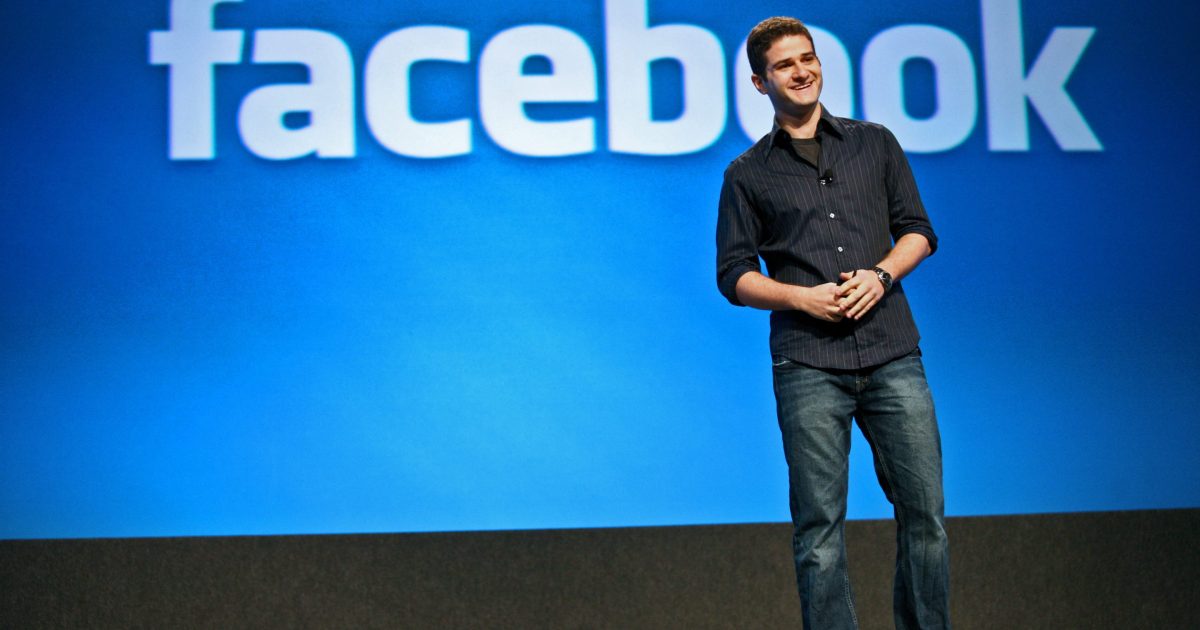
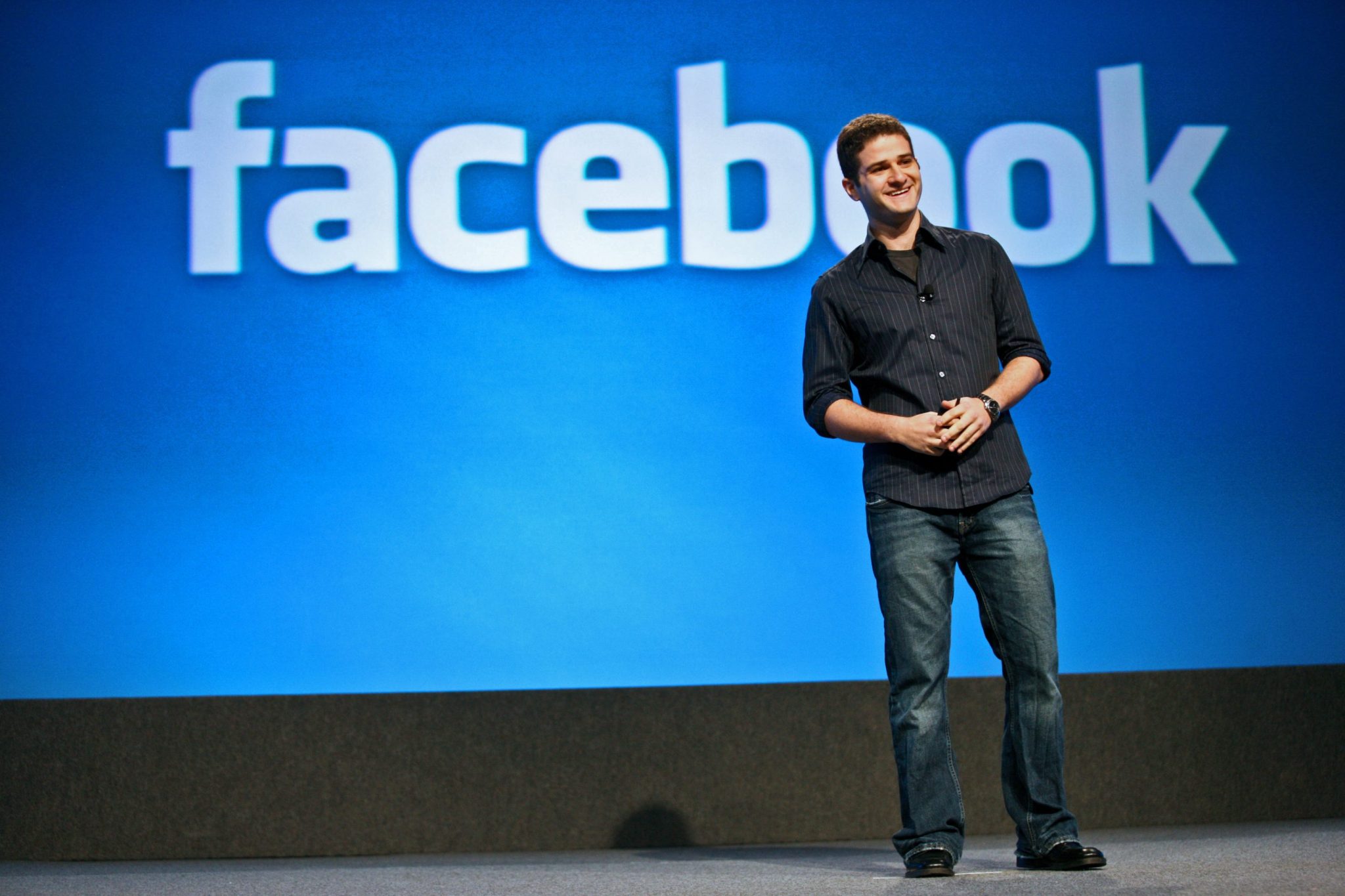
Some have been born to steer. However many are simply “accidental managers.” Take, Dustin Moskovitz. The millennial co-founded Facebook together with his Harvard roommate, Mark Zuckerberg, and went on to change into the corporate’s first CTO earlier than leaving to discovered Asana, a undertaking administration platform, in 2008.
Once more, Moskovitz led the startup (this time as CEO), taking the corporate public in September 2020 and rising it into the $3.4 billion big it’s right now, earlier than stepping down earlier this 12 months. However now, wanting again, he admits the highest job was by no means actually for him.
“I simply discovered it fairly exhausting,” Moskovitz advised Stratechery, whereas including that he’s actually an introvert.
“I don’t prefer to handle groups,” he admitted, whereas including that it was by no means his intention to take action, even after founding his second startup, Asana, with Justin Rosenstein. “I’d supposed to be extra of an unbiased or Head of Engineering… Then one factor led to a different and I used to be CEO for 13 years…”
The outcome? Having to “placed on this face day after day”.
The CEO hoped that placing on a masks would get simpler as the corporate scaled and he might delegate extra to deal with really operating the corporate from behind the scenes, however really the other was true: “The world simply stored getting extra chaotic — the primary Trump presidency and the pandemic and all of the race stuff, it made it only a lot much less of the corporate constructing, being a CEO is much more reacting to issues and doing this form of factor.”
Like Moskovitz, practically all bosses are ‘unintentional’—and it’s really the highest purpose they find yourself quitting
Moskovirz isn’t the primary boss to confess that he by no means supposed to handle folks. Similar to Gen Z, who admit they’d rather remain individual contributors perpetually than climb the greasy pole, many managers earlier than them have secretly thought the identical.
In reality, analysis reveals that as many as 82% of bosses are “accidental”—that they had zero coaching and have been merely thrust into the position as a result of they have been on the purposeful or technical elements of the job. So it made sense to advertise them to indicate others the way it’s completed, whether or not they really wish to lead or not. 1 / 4 of them wind up in senior management roles.
As a direct results of this, companies find yourself with managers who aren’t assured of their potential to steer, and who battle to cope with the assorted challenges that include managing folks, main each workers and struggling managers to resign.
Gerrit Bouckaert, CEO of Robert Walters, the recruitment agency that works in 31 international locations, mentioned the pattern of unintentional administration has change into extra “pronounced” lately—all of the whereas the calls for of the job are solely getting harder.
“Up to now, a supervisor’s major position was to maintain workers motivated and productive,” he beforehand advised Fortune. “In right now’s world, they’re required to drive the tradition and inclusion within the workforce, lead on digital adoption, possess an innate potential to know if a member of their workforce is struggling mentally, and likewise be the bearer of dangerous information—be it delayed promotions, or muted pay rises.”
