


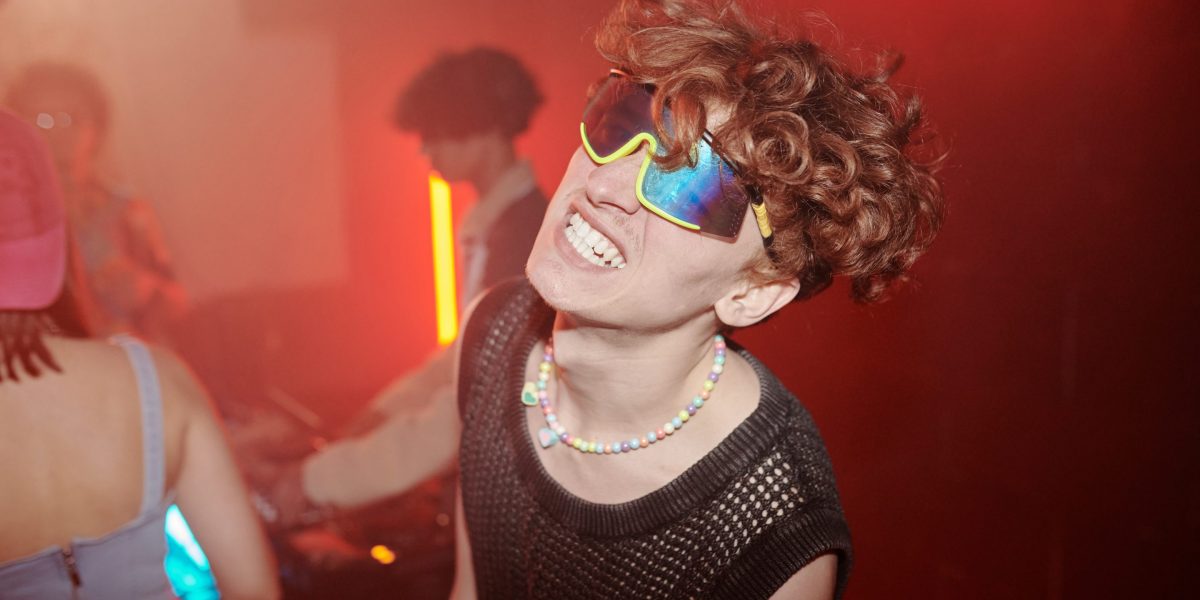
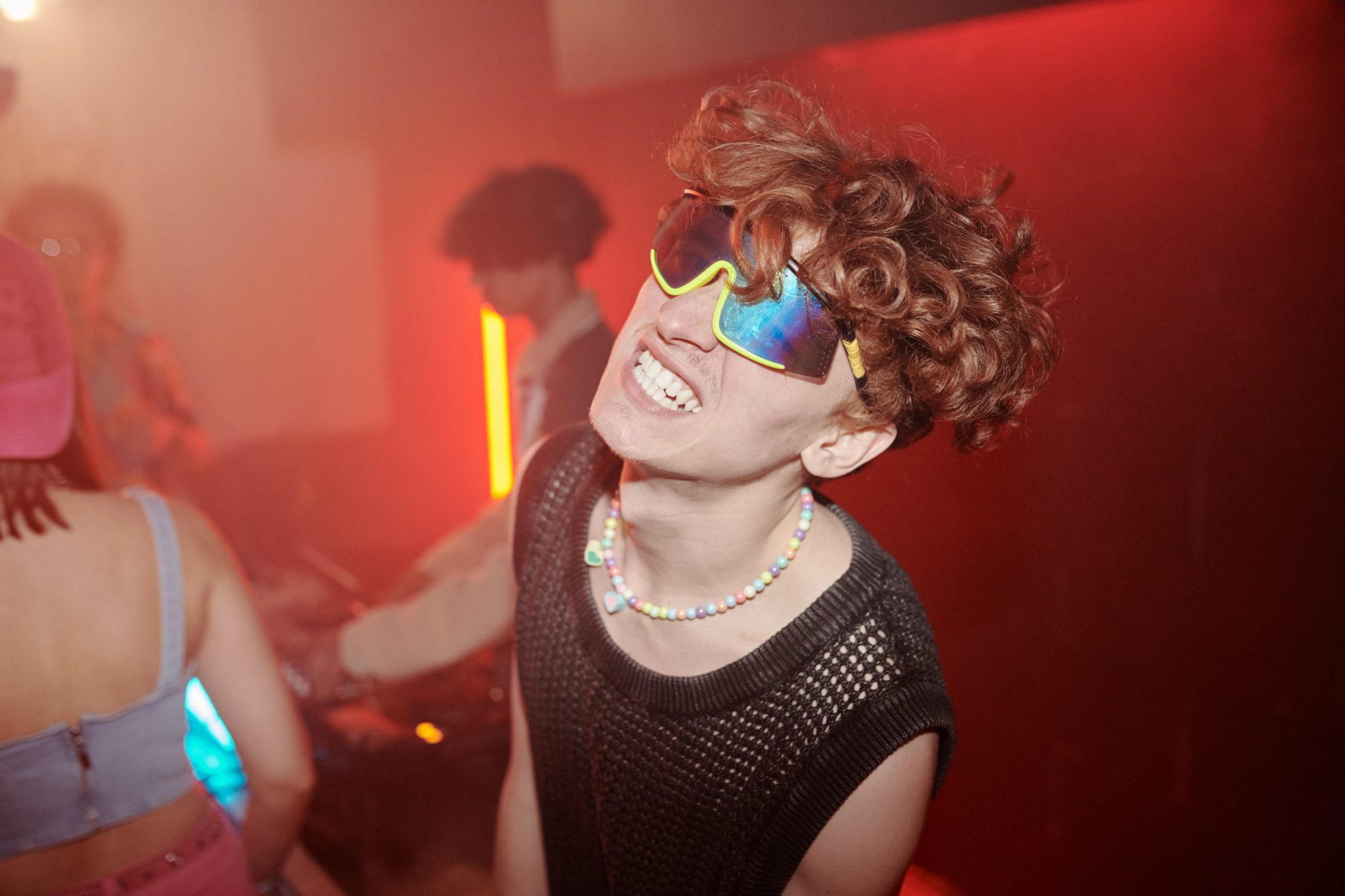
From runways to thrift outlets, “Y2K 2.0” dominates. Manufacturers as soon as left behind—Juicy Couture, Baby Phat, Von Dutch—are making strategic comebacks. The look is unapologetically maximalist, that includes rhinestones, shiny lips, spiky hair, and metallic purses. Based on a 2023 survey from GWI Zeitgeist, 56% of Gen Z really feel nostalgia for the 2000s, with one other 37% for the Nineteen Nineties, regardless that most by no means skilled these durations firsthand.
That rebel has an edge. Whereas millennials chased minimalism—assume capsule wardrobes and beige flats—Gen Z is popping up the colour saturation. They’re thrifting glitter tops, layering mesh, and mixing excessive and low tradition with no disgrace. A “core” aesthetic doesn’t should say something profound; it simply has to look cool. However there’s a darkish facet to this flip in opposition to the all of the sudden middle-aged, passé millennial technology.
Gen Z leaning exhausting into the Y2K period additionally represents at occasions an outright and express rebel in opposition to the curated, hyperaware “woke” tradition of millennials. The contrasting fortunes of Cracker Barrel and American Eagle are simply two of many examples of the hazards going through enterprise on this second. The previous’s minimalist rebrand—apparently tried to arrest declining same-store gross sales—was blasted as a betrayal of the authentic vibes of the model, whereas the latter’s polarizing advert marketing campaign constructed round registered Republican Sydney Sweeney grew to become a political soccer that the retailer claims sparked massive engagement and hovering gross sales. Shopper-facing manufacturers can discover themselves both on the horns of this anti-woke backlash—or using the again of the bull because it expenses ahead.
Vogue’s Y2K comeback
Consider the contradictions: TikTok’s #Y2K tag has millions of views, packed with tutorials for frosted eye shadow and grainy camcorder filters. Yet the mood is distinctly anti‑digital. Young users boast about flip phones and digital cameras, citing a desire to unplug from the dopamine‑fueled feedback loops of Instagram and Snapchat. Gen Z’s Y2K obsession can also be about unplugging. Wired headphones, Polaroid and digital cameras, and flip telephones are more and more seen at events and gatherings.
The attraction of that mindset is comprehensible. A lot of Gen Z entered maturity amid pandemic isolation, political polarization, local weather nervousness, and epidemic‑stage burnout. In distinction, the late-’90s and early-2000s popular culture period—glittery, naive, and commercially loud—looks like an antidote to limitless doom-scrolling.
Past aesthetics, this revival alerts fatigue with what many within the technology name “performative wokeness.” Millennials rose alongside the social‑media activism growth, translating id politics into model messaging and way of life selections. Gen Z sees that world as oversaturated—and typically hypocritical. Whereas the so-called Great Awokening has been a lot debated, there may be little doubt that it’s related to the 2010s, shifting from an Obama-era vibe of “we’re those we have now been ready for” to the primary Trump time period of demanding an finish to systemic white supremacy. Musa al-Gharbi, a sociologist and self-described progressive, skewered what he referred to as a “symbolic capitalism” in his 2024 e-book, We Have Never Been Woke, situating the wokeness of the 2010s in an extended historical past of American left-wing politics relationship again almost 100 years, with comparable “awokenings” occurring at semi-regular intervals.
The difficulty for Gen Z—and for the companies catering to them—is that turning again the clock to the 12 months 2000 may also imply turning again the clock to what seem like some distinctly unenlightened slang, if not outdated beliefs.
Comedy, nightlife, and even relationship tradition have begun to loosen up as Gen Z pushes again in opposition to the “guidelines of correctness” they grew up with. Memes now poke enjoyable at hypersensitivity, and podcasts have a good time being “cringe” again. The sense of social permission to be imperfect mirrors the early web—wild, bizarre, and unfiltered. This darkish facet to Gen Z’s millennial backlash and want to relive the flip of the millennium is displaying indicators of mutating in disturbing and unprecedented instructions. Look no additional than the controversy over the leaked Younger Republican group chat.
Backlash to millennial ‘woke’ tradition
This rigidity got here to a brand new flashpoint in October 2025, when Politico reported on a massive leak of a personal Younger Republican Telegram group chat, revealing 1000’s of racist, anti-Semitic, and violent messages amongst Gen Z celebration leaders from 4 states. These included open Nazi sympathies, reward for Hitler, and repeated use of the vilest slurs in opposition to Black, LGBTQ, and disabled individuals. The messages, some from people with ties to elected officers, had been broadly circulated throughout nationwide media, sparking an instantaneous nationwide reckoning.
The fallout was swift and extreme. The New York State Young Republicans were disbanded unanimously, implicated leaders throughout a number of states misplaced jobs, and outstanding figures akin to Peter Giunta had been ousted from management roles. High GOP officers, together with New York chair Ed Cox, issued forceful condemnations, although critics continued to spotlight the obvious normalization of hate speech inside these Gen Z circles. Media and advocacy teams pointed to the scandal as a flashpoint for broader anxieties about youth tradition’s swift pivot from millennial “wokeness” to one thing much more nihilistic and unstable.
This controversy comes in opposition to the backdrop of a resurgence of sure slurs such because the “r-word” (traditionally used in opposition to individuals with disabilities), documented as trending upward again in online metrics and cultural reporting, after years of decline. Anti-LGBTQ+ slurs, racially insensitive terms, and coded language are also circulating widely in Gen Z social media environments. Even among self-identified liberal or progressive Gen Z members, casual use of expressions previously linked to anti-woke backlash are coming back into fashion. Many users, both Gen Z and younger, rationalize their use by claiming to reclaim or recontextualize these words, or by insisting that their meanings have changed.
The Reddit thread “askwomenover30” wondered in 2024 what was going on, with the user “frankstaturtle” sounding a plaintive note: “It’s wild that we were told the next generations would also become more progressive, but then we got … this.”
Much of the Y2K revival is simply cyclical. The 20‑year nostalgia loop, first described by museologist James Laver, posits that society “romanticizes” the interval one or 20 years earlier. However Gen Z’s eager for the early 2000s is amplified: The interval looks as if an oasis in contrast with the previous 5 years of pandemic, political division, and financial uncertainty. Many specialists recommend that this Y2K pattern is much less “apathy” and extra a type of inventive, cultural self-care—remixing the previous for a technology going through new pressures and Gen Z defining itself by itself chaotic phrases. The chance is that it opens the door to a a lot wider chaos relationship again a number of extra many years up to now, whether or not a lot of its youthful adherents are conscious that their nostalgia goes again to Nineteen Thirties Germany or not.
