


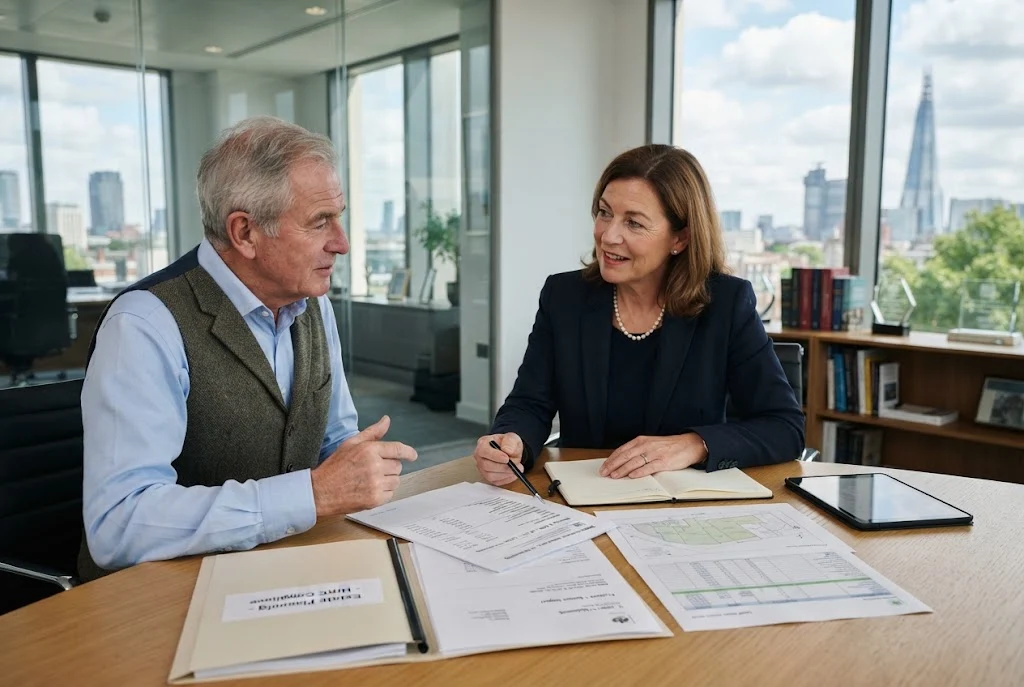
Choosing an inheritance tax accountant can make it easier to understand how Inheritance Tax may affect your estate, particularly when you own property, investments, a business or other valuable assets. In the UK, Inheritance Tax planning involves more than simply checking the value of your home. Gifts, exemptions, allowances, ownership structures and the way assets are passed to beneficiaries can all affect the position.
For families with significant property or complex financial arrangements, professional advice can help identify potential issues before they become difficult or expensive to resolve. It can also provide a clearer framework for estate planning and help executors understand what information may need to be reported to HM Revenue & Customs (HMRC).
What Does an Inheritance Tax Accountant Do?
An inheritance tax accountant specialises in the tax considerations surrounding estates, lifetime gifts and wealth transfers. Their role can vary depending on the circumstances, but they may help individuals understand potential Inheritance Tax exposure and consider appropriate planning options.
This can involve reviewing property ownership, investment assets, business interests, previous gifts and other parts of an estate. An accountant may also work alongside solicitors and other professional advisers where legal documentation, trusts or wills are involved.
Importantly, tax advice is not simply about reducing a potential bill. Good planning should consider the wider financial and family circumstances so that decisions made today do not create unexpected problems later.
When Might You Need an Inheritance Tax Accountant?
Not every estate requires specialist tax advice. However, professional guidance may be particularly useful when the estate contains substantial property or other assets, when lifetime gifts have been made, or when ownership arrangements are complicated.
You may also benefit from advice if you are considering transferring assets to children or other family members during your lifetime. HMRC rules can apply to certain gifts made before death, and the treatment depends on factors including the type and value of the gift and when it was made.
People with business interests may also need specialist advice because Business Relief rules can be relevant to qualifying assets. The rules and available reliefs can change, so current professional advice is important when making long-term decisions.
How Much Inheritance Tax Could an Estate Face?
The standard Inheritance Tax rate is currently 40% on the taxable portion of an estate above the relevant threshold. The standard nil-rate band is £325,000. A residence nil-rate band can provide an additional allowance for qualifying estates where a qualifying residence is passed to direct descendants, subject to the relevant conditions and taper rules.
For the 2026 to 2027 and 2027 to 2028 tax years, HMRC guidance states that the residence nil-rate band is £175,000, with tapering starting when the estate exceeds £2 million.
There are also circumstances where unused allowances can be transferred between spouses or civil partners. Consequently, calculating potential Inheritance Tax is not always as simple as subtracting one allowance from the value of an estate.
For the current rules and thresholds, it is sensible to check the latest HMRC guidance on Inheritance Tax before making important financial decisions.
Inheritance Tax Planning and Property
Property is often one of the largest assets within a UK estate, which makes property ownership an important part of Inheritance Tax planning. A family home, buy-to-let property, land and commercial property can all have different implications depending on how they are owned and what happens to them during a person’s lifetime.
An inheritance tax accountant can review the property element of an estate alongside other assets rather than considering each property in isolation. This may help establish the overall value of the estate and identify areas that require further professional consideration.
If property is intended to pass to children or other direct descendants, the residence nil-rate band may be relevant if the statutory conditions are met. However, eligibility depends on the circumstances, so it should not be assumed that every property automatically qualifies.
Property owners may also want to consider how lifetime transfers could affect their estate. Giving away a property does not necessarily remove it from an Inheritance Tax calculation if particular conditions apply.
Inheritance Tax Accountant Near Me: What Should You Look For?
If you are searching for an inheritance tax accountant near me, location should not be the only consideration. The accountant’s experience with property, estates and the type of assets you own may be more important than simply choosing the closest practice.
Look for a professional who can clearly explain the relevant tax rules, identify the information needed for an estate review and distinguish between tax advice and legal advice. If your circumstances involve trusts, wills or complex ownership structures, the accountant should also be comfortable working with other professional advisers.
It can be useful to ask prospective advisers about their experience with property-rich estates, lifetime gifts and family wealth planning. You should also establish how they charge for advice and whether they provide ongoing planning or only one-off estate reviews.
Inheritance Tax Planning Near Me: What Can It Include?
A search for inheritance tax planning near me often reflects a desire for practical help before an estate reaches the administration stage. Planning during a person’s lifetime can provide more opportunity to understand the consequences of different decisions.
Depending on your circumstances, planning may involve reviewing the value and ownership of assets, considering available allowances and exemptions, documenting previous gifts and assessing how property or business interests may be treated.
Lifetime gifts can be particularly important. HMRC explains that some gifts made during the seven years before death may be relevant when calculating Inheritance Tax. There are also specific exemptions and rules for certain gifts, so keeping accurate records is essential.
For this reason, estate planning should not be based solely on the assumption that a gift made during your lifetime will automatically fall outside your estate for tax purposes.
What Information Will an Inheritance Tax Accountant Need?
A professional adviser will normally need a clear picture of your financial position. The exact information required depends on the complexity of the estate, but useful records can include:
- Property ownership details and current valuations
- Bank and savings account information
- Investment and pension information where relevant
- Business interests and ownership percentages
- Details of significant lifetime gifts
- Existing trusts and related documentation
- Outstanding debts and liabilities
- Details of previous estates or transferred allowances where relevant
Keeping records of gifts is especially important. HMRC guidance states that the person dealing with an estate may need information about gifts made during the seven years before death, including what was given, who received it, its value and when it was given.
Can an Inheritance Tax Accountant Help After a Death?
Yes. An accountant may also assist with the tax and financial aspects of estate administration after someone has died. At this stage, the focus can shift from future planning to establishing the estate’s value, identifying relevant gifts and determining whether Inheritance Tax is payable.
The executor or administrator is generally responsible for dealing with the estate and arranging payment of any Inheritance Tax due. HMRC states that Inheritance Tax normally needs to be paid by the end of the sixth month after the person’s death, although different arrangements can apply in particular circumstances.
Professional support can therefore be useful when an estate includes several properties, substantial investments, previous gifts or business assets that make the calculation more complicated.
Inheritance Tax Planning Should Be Reviewed Regularly
Inheritance Tax planning should not necessarily be treated as a one-time exercise. Property values, family circumstances, asset ownership and tax legislation can change over time. A strategy that appeared suitable several years ago may need to be reviewed after a property purchase, sale, inheritance, gift or major change in family circumstances.
Regular reviews can help ensure that your records remain accurate and that your estate plan continues to reflect your intentions. They can also give you an opportunity to discuss changes in tax rules with an appropriately qualified professional.
How an Inheritance Tax Accountant Fits Into Your Wider Property Tax Strategy
Inheritance Tax is only one part of the tax picture for property owners. Someone with rental properties, for example, may also need to consider tax on rental income and how rental profits are treated during their lifetime.
Similarly, anyone considering building a portfolio may first need to understand how to start a property business and the tax implications of different business structures. Looking at these areas together can provide a more complete view of property ownership and long-term wealth planning.
If you are assessing an estate that includes rental property, it is also useful to understand whether rental income is taxable and how rental income is taxed. These issues are separate from Inheritance Tax, but they can form part of the broader tax considerations for property owners and their families.
Final Thoughts
An inheritance tax accountant can provide valuable support when an estate includes property, investments, business interests or significant lifetime gifts. The right advice can help you understand potential liabilities, available allowances and the records needed for effective estate planning.
Because Inheritance Tax rules can be detailed and change over time, professional advice should be based on your individual circumstances and the current HMRC rules. Planning early can give you more time to understand your options and coordinate tax planning with your wider financial and legal arrangements.
